Imagine a world where your business runs like a well-oiled machine, where the chaos of misplaced items and manual counting is a thing of the past. Welcome to the revolution of inventory software for business. This game-changing tool is transforming the way companies operate, bringing order, efficiency, and accuracy to inventory management. With the advent of cutting-edge technology, your business can now achieve unparalleled efficiency and accuracy in its operations.
By embracing inventory software, businesses unlock a treasure trove of benefits, from minimizing costly errors to optimizing stock levels in real-time. It’s time to wave goodbye to outdated methods and step into the future. This isn’t just about keeping up—it’s about leading the way and setting new standards in business management. Get ready to explore the wonders of inventory software and discover how it makes business life not just easier, but extraordinary.
Introduction to Inventory Software for Business
In the dynamic world of business, staying ahead of the competition requires more than just hard work—it requires smart tools. Inventory software is a game-changer, acting as the invisible hand guiding your inventory management to success.
Gone are the days of manual tracking and endless spreadsheets. Today’s inventory software serves as a comprehensive solution, integrating seamlessly into modern businesses to optimize efficiency and improve accuracy. This digital transformation is not just a trend; it’s a necessity for those looking to elevate their operations to the next level.
Streamlining Business Operations with Inventory Software
Inventory software is the backbone of a well-oiled business machine, automating and simplifying processes that were once cumbersome. Imagine having a system that not only tracks but also predicts inventory needs, ensuring that your shelves are stocked without overflow or shortage. This kind of precision allows businesses to save on costs and maximize profitability effortlessly.
- Automated reordering systems prevent stockouts.
- Centralized data improves collaboration across departments.
- Customizable reports provide insights tailored to your business needs.
The Importance of Real-Time Inventory Management
In a fast-paced market, having access to real-time data is crucial. Real-time inventory management ensures that you can make informed decisions based on current stock levels, sales trends, and customer demands. This transparency not only enhances strategic planning but also boosts customer satisfaction by ensuring product availability.
With real-time monitoring, businesses can:
- Reduce excess inventory and associated holding costs.
- Respond swiftly to market changes.
- Enhance forecasting accuracy for better financial planning.
“Real-time inventory management transforms data into actionable insights, empowering businesses to thrive in a competitive landscape.”
Key Features of Effective Inventory Software
Effective inventory management can be a game-changer for businesses, streamlining operations and maximizing efficiency. But what makes inventory software truly effective? Let’s dive into the key features that are essential for an intuitive and powerful inventory management system.
From user-friendly interfaces to seamless integrations, each feature plays a crucial role in ensuring that your inventory processes are smooth and error-free.
User-Friendly Interface
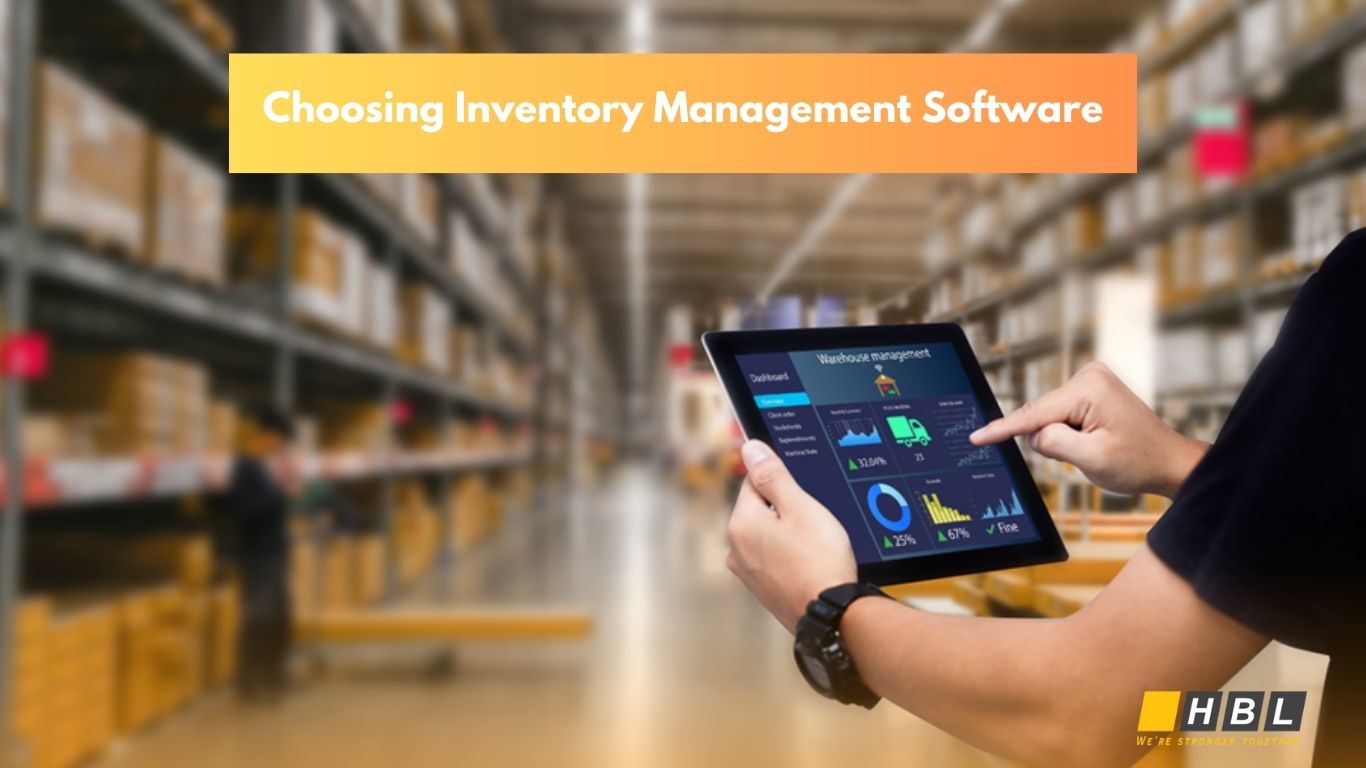
When it comes to managing inventory, ease of use is paramount. A user-friendly interface ensures that staff can quickly navigate the system with minimal training, reducing errors and increasing productivity. A well-designed dashboard provides a clear overview of stock levels, orders, and other critical data at a glance.
Enhanced Accuracy through Barcode Scanning
Barcode scanning is a pivotal feature that enhances inventory accuracy by minimizing human error during data entry. This technology allows for rapid and precise identification of products, ensuring that stock levels are updated in real-time. With a quick scan, you can track products from the warehouse to the sales floor, eliminating discrepancies and optimizing stock control.
Integration with Other Business Tools
Effective inventory software doesn’t work in isolation—it integrates seamlessly with other essential business tools like accounting, CRM, and e-commerce platforms. This integration capability ensures that all business functions are synchronized, providing a holistic view of operations and facilitating informed decision-making. Automation of tasks across various platforms reduces manual effort and increases efficiency.
Here’s a closer look at these key features through a comparative lens:
| Feature | Description | Benefit | Example |
|---|---|---|---|
| User-Friendly Interface | Intuitive dashboards and navigation | Reduces training time and errors | Color-coded stock levels for quick assessment |
| Barcode Scanning | Automated product tracking with scans | Eliminates manual entry errors | Handheld barcode scanners |
| Integration Capabilities | Seamless connection with other software | Centralizes data and operations | Sync with QuickBooks for real-time accounting |
“Inventory management is not just about keeping track of stock; it’s about building a cohesive ecosystem that enhances your entire business operation.”
Benefits of Using Inventory Software
Imagine a world where inventory management is as easy as clicking a button. Inventory software transforms this dream into reality, revolutionizing the way businesses handle their stock. Gone are the days of tedious manual counting and endless spreadsheets.
By automating and streamlining processes, inventory software not only saves time and reduces costs but also significantly improves accuracy and efficiency. Let’s delve into the myriad benefits that come with adopting this technology.
Reducing Human Error through Automation
Human error is a natural part of manual inventory management, leading to costly mistakes and operational disruptions. Inventory software, however, significantly minimizes these errors through automated processes. With features such as barcode scanning and real-time data updates, businesses can ensure that their inventory records are precise and up-to-date. This not only enhances reliability but also builds customer trust by ensuring product availability.
Impact on Inventory Turnover Rates
Effective inventory management software directly influences inventory turnover rates, helping businesses to optimize their stock levels and improve cash flow. By providing actionable insights and predictive analytics, the software enables businesses to make informed decisions about stock replenishment and to maintain an ideal balance between supply and demand. This increased efficiency leads to a healthier bottom line.
Manual Inventory Management vs. Automated Systems
Understanding the differences between manual and automated inventory management can be eye-opening. Here’s a quick comparison:
| Manual Inventory Management | Automated Inventory Systems |
|---|---|
| Time-consuming and labor-intensive | Quick and efficient processes |
| Prone to errors and inaccuracies | High accuracy with minimal errors |
| Limited data analysis capabilities | Advanced data analytics and reporting |
| Reactive to stock issues | Proactive stock management |
“Efficiency is doing better what is already being done.” – Peter Drucker
Selecting the Right Inventory Software for Your Business
Choosing the perfect inventory software is a game-changer for any business, streamlining operations and boosting productivity. But how do you select the right one tailored to your unique needs?
An effective selection process involves understanding your business objectives and matching them with software capabilities. Whether you’re a start-up or an established enterprise, the right inventory software is crucial to your business’s success.
Criteria for Choosing the Appropriate Software
When it comes to selecting inventory software, it’s essential to consider factors that align with your business goals. These criteria ensure that you’re not just investing in software, but in a solution that supports your growth.
- Business Size and Type: Consider software that fits your business scale and industry.
- Integration Capabilities: Ensure compatibility with existing systems.
- User-Friendliness: Choose software that is intuitive and easy to navigate.
- Customization Options: Look for features that can be tailored to your specific requirements.
- Cost: Evaluate pricing against your budget and the software’s ROI.
Factors to Consider When Selecting Inventory Software
Making the right choice involves a meticulous comparison of multiple factors. Here’s a structured list to guide your decision-making process:
| Factor | Considerations |
|---|---|
| Functionality | Inventory tracking, order management, reporting tools. |
| Customer Support | Availability, responsiveness, and support channels. |
| Security | Data protection measures and compliance with standards. |
| Vendor Reputation | User reviews, industry standing, and longevity in the market. |
Significance of Scalability in Inventory Software Solutions
Scalability is not just a buzzword; it’s a strategic necessity. In an ever-evolving business landscape, your inventory software must grow with you. As your business expands, so do your inventory complexities. Here’s why scalability should be a cornerstone of your selection:
“The ability to scale is the hallmark of a software solution that supports both current operations and future growth.”
With scalable software, you can seamlessly accommodate increased inventory, add new locations, and support additional users without disruption. This ensures your business remains agile and responsive to market demands.
Implementing Inventory Software
Embarking on the journey of integrating inventory software into your business can revolutionize operations, but successful implementation requires strategic planning and execution.
The process involves a series of well-coordinated steps to ensure the software seamlessly integrates into existing systems while enhancing efficiency. Let’s uncover the best practices that will pave the way for a smooth transition.
Steps for Successful Inventory Software Implementation
Implementing new software isn’t just about installation; it’s a holistic process that includes thorough planning, effective communication, and continuous support.
| Step | Description | Key Action | Outcome |
|---|---|---|---|
| 1. Needs Assessment | Evaluate current processes to identify what the new software must address. | Conduct comprehensive needs analysis with all stakeholders. | Clear understanding of software requirements. |
| 2. Vendor Selection | Choose a software vendor that meets the identified needs. | Review, compare, and test software options. | Selection of a compatible and scalable software solution. |
| 3. Data Migration | Transfer existing data to the new system in a structured manner. | Plan and execute a detailed data migration strategy. | Accurate and complete data integration. |
| 4. System Testing | Verify that the software functions correctly in a real-world scenario. | Perform rigorous testing, including pilot runs. | Identification and resolution of potential issues. |
| 5. Staff Training | Equip staff with the knowledge and skills to utilize the software effectively. | Implement a comprehensive training program. | Enhanced user competence and confidence. |
| 6. Go Live | Officially launch the software for daily operations. | Execute launch plan with full support in place. | Smooth transition to the new system. |
Training Process for Company Staff
The key to successful software adoption lies in empowering your team with the necessary skills and confidence to embrace the new system. Training should be an engaging and continuous journey, not a one-time event.
Begin with introductory sessions that familiarize employees with the software’s interface and basic functions. Gradually, delve into more complex features through hands-on workshops. Encourage an interactive environment where questions are welcomed, ensuring clarity and understanding.
Transitioning to digital tools can be daunting. Therefore, consistent support and follow-ups are essential.
“Effective training transforms apprehension into confidence, turning software adoption into a triumph.”
Real-Life Case Studies of Inventory Software in Action
Discover how businesses have harnessed the power of inventory software to transform operations and achieve remarkable efficiency gains. These real-life stories illustrate the journey from challenge to triumph.
Through various industries, businesses have faced unique obstacles during the implementation of inventory software, yet the outcomes have been overwhelmingly positive. By examining these case studies, you’ll gain valuable insights into the tangible benefits that can be reaped through strategic software integration.
Elevating Retail Efficiency: The Success Story of “Fashion Forward”
Fashion Forward, a thriving retail chain, was drowning in a sea of manual inventory tracking, leading to frequent stockouts and overstock situations. The introduction of a robust inventory software system marked the turning point. With real-time tracking and automated alerts, Fashion Forward gained unprecedented control over its inventory, resulting in a 30% reduction in stock discrepancies.
During the implementation phase, the company faced challenges in data migration and staff training. By investing in comprehensive training sessions and phased rollouts, these obstacles were effectively managed. Today, Fashion Forward enjoys smoother operations with optimized stock levels, allowing for more strategic decision-making and enhanced customer satisfaction.
Streamlining Manufacturing Operations at “Tech Gadgets Inc.”
At Tech Gadgets Inc., the manufacturing giant, inefficiencies in inventory management were causing production delays. Implementing specialized inventory software brought about a transformative change. Automated reorder points and forecasting tools now ensure a seamless supply chain, minimizing costly downtime.
The initial hurdles involved integrating existing systems with the new software. By adopting a collaborative approach with their software provider, Tech Gadgets Inc. successfully navigated these complexities. The long-term benefits include improved production timelines, cost savings, and a marked increase in product quality.
“The right inventory software not only streamlines operations, but also empowers businesses to innovate and grow beyond their constraints.”
Last Word
In conclusion, adopting inventory software is more than a strategic move; it’s a transformative leap into modern business practices. The success stories of businesses that have embraced this technology speak volumes about its potential to revolutionize operations. Don’t let your business be left behind in the digital age. Embrace inventory software and watch your business thrive with newfound efficiency and precision. The future of business is here—are you ready to be a part of it?