Imagine a world where your business runs like a well-oiled machine, with every cog turning precisely at the right time. This isn’t just a dream; it’s the reality of what a robust Business Inventory Program can offer. By mastering inventory management, you’re not just keeping shelves stocked — you’re orchestrating a symphony of operations that leads to unparalleled success.
Effective inventory management is the secret sauce that transforms ordinary businesses into extraordinary ones. It’s about more than just counting products; it’s a strategic approach that can reduce costs, enhance customer satisfaction, and optimize your supply chain. Welcome to the future of business — where inventory excellence meets profitability.
Importance of Business Inventory Management
Running a business involves countless moving parts, but none might be as crucial as inventory management. It’s the backbone that ensures your business runs smoothly and profitably.
Effective inventory management can make or break a company. It is a complex, yet essential part of the business puzzle that ensures the right products are available at the right time, directly impacting your bottom line and customer satisfaction.
The Impact of Poor Inventory Management on Financial Health
Imagine a scenario where shelves are either overstocked or perpetually empty. Poor inventory management can lead to significant financial losses through overstocking or stockouts. Overstocking ties up capital in unsold goods, while running out of stock can send customers to competitors. Both situations can damage your bottom line and your business’s reputation.
- Overstocking leads to increased storage costs and the risk of inventory obsolescence.
- Stockouts result in lost sales and potential loss of customer loyalty.
- Inaccurate forecasting can disrupt cash flow and resource allocation.
Inventory Management as a Pillar of Customer Satisfaction
In the world of business, the customer is king. Timely availability of products is essential to meet customer expectations. A well-managed inventory system ensures that you can meet demand promptly, enhancing customer satisfaction and retention. Happy customers are the foundation of a thriving business.
“An efficient inventory system is a silent partner in delivering exceptional customer experiences.”
Influence of Inventory Management on Supply Chain Efficiency
Inventory management is the lifeline of the supply chain. It directly influences the flow of goods from suppliers through to customers. Efficient inventory practices streamline supply chain operations, reduce delays, and enhance productivity.
| Efficient Inventory Management | Poor Inventory Management |
|---|---|
| Optimizes supply chain flow & minimizes waste | Causes bottlenecks and increases lead times |
| Improves order accuracy and fulfillment rates | Results in frequent errors and customer dissatisfaction |
Features of an Effective Inventory Program
In the high-stakes world of business, having an effective inventory program is not just an advantage—it’s a necessity. With the right features, businesses can streamline operations, reduce costs, and ultimately, boost their bottom line.
Let’s dive into the essential components that make an inventory program not just effective, but truly transformative.
Key Features for Streamlined Operations
An effective inventory program should seamlessly integrate into your business workflow, offering features that empower you to manage your inventory with ease and precision. From automated stock tracking to integrated sales data, these tools are designed to enhance efficiency.
Consider the power of real-time inventory tracking. This feature ensures that you always have a finger on the pulse of your stock levels, allowing you to make informed decisions instantaneously. Moreover, multi-location management is crucial for businesses with warehouses spread across different regions, ensuring that stock is efficiently distributed and accessible.
Examples of Comprehensive Inventory Solutions
In today’s digital age, several robust inventory management solutions have emerged, each with its unique offerings. Software like TradeGecko, Zoho Inventory, and Fishbowl Inventory have set benchmarks in inventory management by providing comprehensive solutions tailored to diverse business needs.
TradeGecko, for instance, stands out with its user-friendly interface and powerful analytics, making it easier for businesses to forecast demand and plan accordingly. Meanwhile, Zoho Inventory offers extensive integrations with other Zoho applications, making it a versatile choice for businesses already using other Zoho products.
Comparing Inventory Programs for Cost-Saving Benefits
Choosing the right inventory program can be a game-changer in terms of cost savings. Let’s compare some popular solutions to see how they measure up:
| Program | Key Features | Cost-Saving Potential |
|---|---|---|
| TradeGecko | Real-time tracking, Global reach, Integrated CRM |
|
| Zoho Inventory | Multi-channel management, Barcode scanning, Automated workflows |
|
| Fishbowl Inventory | QuickBooks integration, Advanced inventory reports |
|
Must-Have Features in a Modern Inventory Management System
To stay competitive, your inventory management system must be equipped with features that address the challenges of today’s dynamic business environment. Here’s a list of essential features that every modern inventory system should have:
- Real-time inventory tracking
- Automated reorder alerts
- Multi-location support
- Comprehensive analytics and reporting
- Integration with other business systems (e.g., accounting, CRM)
- User-friendly interface
- Scalability to grow with your business
Strategies to Implement an Inventory Program
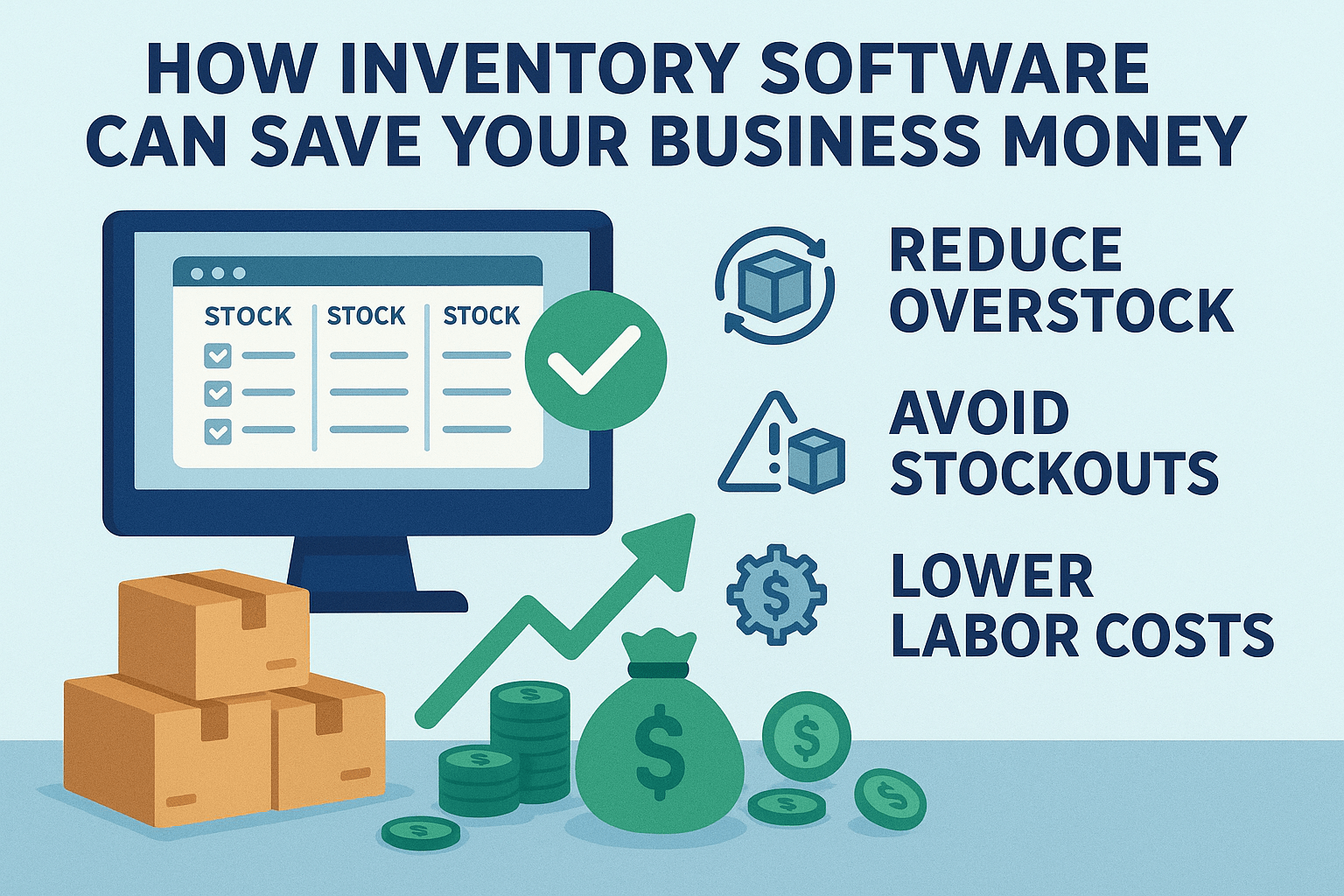
Ensuring a seamless transition to a new inventory management system requires careful planning and execution. It’s not just about choosing the right technology, but also about how you integrate this change into your business operations.
With a systematic approach, you can maximize the benefits of an inventory program, significantly bolstering efficiency and accuracy in your business processes.
Step-by-Step Procedures for Implementation
Embarking on the journey to implement a new inventory program can seem daunting, but by following these step-by-step procedures, you can smoothly integrate it into your business:
- Define your business’s inventory needs and objectives.
- Research and select an inventory management system that aligns with your goals.
- Develop a project plan with timelines and designated responsibilities.
- Conduct a pilot test to assess system functionality and user interaction.
- Collect feedback and make necessary adjustments based on pilot results.
- Perform a full-scale roll-out with ongoing support and monitoring.
Roadmap for Transitioning from Manual to Automated Systems
Moving from a manual to an automated inventory system is a significant shift that can lead to substantial gains in efficiency. Here’s how you can create a roadmap for this transformation:
- Evaluate current inventory processes to identify pain points and inefficiencies.
- Set clear benchmarks for success and monitor progress against these metrics.
- Choose scalable technology that can grow alongside your business.
- Ensure continuous data synchronization between manual and automated systems during the transition phase.
- Gradually phase out manual processes, ensuring staff are comfortable with the new system.
Training Employees on New Inventory Tools
Successful implementation of a new inventory program is highly dependent on how well your workforce adapts to it. Training is crucial:
Comprehensive training sessions should be designed to cover the following:
- System navigation and basic functionalities.
- Advanced features for in-depth analytics and reporting.
- Troubleshooting common issues and understanding support resources.
- Regular refreshers and update sessions to ensure continued proficiency.
Integrating Inventory Programs with Existing Business Systems
The integration of an inventory management system with existing business systems can optimize overall operations. It’s essential to facilitate seamless data flow and enhance operational efficiency:
| Integration Component | Objective | Benefit |
|---|---|---|
| ERP Systems | Centralize data for holistic business insights | Improved decision-making and forecasting |
| Accounting Software | Sync financial data with inventory changes | Accurate financial reporting and budgeting |
| CRM Systems | Align sales data with inventory levels | Enhanced customer service and sales strategy |
Seamless integration ensures your inventory program works in harmony with your entire business ecosystem, driving growth and efficiency.
Benefits of a Business Inventory Program
In today’s fast-paced business environment, maintaining an efficient inventory system can be the difference between success and stagnation. Implementing a business inventory program optimizes your operations, enhances decision-making, and propels your company towards greater profitability.
Effective inventory management isn’t just about counting stock; it’s about unleashing the full potential of your business operations. With the right program, you can streamline processes, reduce waste, and ultimately drive your business forward.
Advantages of Enhanced Operational Efficiency
Empowering your business with a robust inventory program transforms operational efficiency in remarkable ways. By ensuring accurate inventory levels and automating routine tasks, businesses can reduce operational costs and increase productivity. This ultimately leads to a more agile and responsive business model.
| Benefit | Description | Impact on Business |
|---|---|---|
| Accurate Stock Levels | Prevents overstocking and stockouts by maintaining optimal inventory levels. | Reduces storage costs and improves customer satisfaction. |
| Automated Processes | Streamlines routine tasks such as order processing and restocking. | Frees up employee time for more strategic initiatives. |
| Improved Forecasting | Provides data-driven insights for better demand prediction. | Enhances planning accuracy and reduces excess inventory. |
Boosting Cash Flow and Profit Margins
Effective inventory management is a powerful tool for improving both cash flow and profit margins. By minimizing unnecessary expenditure on excess stock and focusing on high-performing products, businesses can maximize their returns.
“Inventory is money sitting around in a different form.” – Rhonda Adams
A well-managed inventory is a dynamic driver of profitability, ensuring that your business is not just surviving, but thriving.
Real-World Success Stories
Let’s explore how businesses have turned their fortunes around with a strategic inventory program:
- Case Study 1: A mid-sized retailer reduced carrying costs by 30% in just six months after implementing an inventory program, which also led to a 15% increase in sales due to improved product availability.
- Case Study 2: A manufacturing firm improved its cash flow by optimizing their inventory levels, resulting in an 8% increase in profit margins within the first year.
These examples underscore the transformative power of effective inventory management, turning challenges into opportunities for growth.
Challenges in Inventory Management
Inventory management is a critical aspect that can make or break a business. Despite its importance, many businesses grapple with numerous challenges that hinder efficient operations.
From handling unexpected supply chain disruptions to maintaining optimal stock levels, businesses face a myriad of issues. However, with the right strategies and technological support, these challenges can be effectively managed.
Overstocking and Stockouts: The Eternal Dilemma
One of the most common challenges in inventory management is balancing the delicate scale between overstocking and stockouts. Overstocking ties up valuable capital and increases storage costs, while stockouts lead to missed sales opportunities and dissatisfied customers.
To combat these issues, businesses can leverage demand forecasting tools and adopt just-in-time inventory systems. These strategies not only optimize stock levels but also enhance operational efficiency.
The Role of Technology in Revolutionizing Inventory Management
Technological advancements have significantly transformed the inventory management landscape. Modern solutions, such as AI-driven analytics and IoT-enabled tracking, offer real-time insights that empower businesses to make informed decisions. By embracing digital transformation, companies can anticipate demand fluctuations and respond proactively.
Below is a comparison table illustrating the transition from traditional to modern inventory management solutions:
| Traditional Challenges | Modern Solutions |
|---|---|
| Manual tracking leading to errors | Automated systems with real-time updates |
| Lack of visibility across the supply chain | Integrated platforms offering end-to-end visibility |
| Inaccurate demand forecasting | AI and machine learning for predictive analytics |
| High inventory carrying costs | Just-in-time inventory and lean management techniques |
“The key to successful inventory management lies in the ability to predict and adapt to market demands swiftly and efficiently.”
By understanding these challenges and implementing modern solutions, businesses can turn inventory management from a daunting task into a strategic advantage.
Future Trends in Inventory Management
The landscape of inventory management is on the brink of a technological revolution. As businesses strive to stay competitive, they must adapt to innovative trends that promise to reshape how inventory is managed.
From artificial intelligence to advanced analytics, the future of inventory management is bright and brimming with potential. As we delve deeper into these advancements, it becomes evident that technology will not just support but actively drive inventory management into new realms of efficiency and precision.
Embracing AI and Machine Learning
One of the most groundbreaking trends in inventory management is the integration of artificial intelligence (AI) and machine learning. These technologies are set to revolutionize the way businesses manage their inventory by enabling more accurate demand forecasting and real-time decision-making. AI algorithms can analyze vast amounts of data far quicker than any human, leading to optimized stock levels and reduced wastages.
Machine learning, on the other hand, can identify patterns and trends that might not be visible to the naked eye. This allows businesses to predict consumer demand with greater accuracy and tailor their inventory levels accordingly. As these technologies continue to develop, the potential for more sophisticated inventory strategies becomes limitless.
Technological Advancements Shaping the Future
Technological advancements are poised to transform every aspect of inventory management. One such advancement is the adoption of Internet of Things (IoT) devices. IoT devices can offer real-time updates on inventory levels, providing businesses with data-driven insights that were previously unattainable.
Moreover, the rise of blockchain technology presents new opportunities for transparency and efficiency in inventory tracking. Blockchain can ensure that all transactions are secure and transparent, reducing errors and enhancing trust between suppliers and businesses. These technologies not only enhance the efficiency of inventory programs but also ensure they are more adaptable to changing market demands.
Predictions for Inventory Management Over the Next Decade
The next decade promises significant advancements in inventory management. We can expect to see a greater emphasis on automation and robotics to streamline warehouse operations. Automated guided vehicles (AGVs) and drones are already being used to manage inventory in warehouses, and their usage is likely to become more widespread.
Another prediction is the increased use of predictive analytics tools, which will further refine demand forecasting and inventory optimization. These tools will leverage big data to provide deeper insights, allowing businesses to anticipate market shifts and adjust their inventory strategies proactively.
Preparing for Future Shifts in Inventory Management Practices
To stay ahead, businesses must prepare for these future shifts by investing in technology and training their workforce. Adopting a flexible approach and being open to innovation will be crucial.
“The future belongs to those who prepare for it today.”
As emerging technologies become mainstream, companies that are quick to adapt will have a significant advantage.
Businesses should focus on developing a digital strategy that includes the integration of AI, IoT, and other technological advancements. By doing so, they can ensure they are not just surviving but thriving in an increasingly competitive marketplace.
Summary
In the fast-paced world of business, staying ahead requires more than just hard work; it demands smart work. With a Business Inventory Program that truly saves your business, you’re not only investing in technology but in the future of your enterprise. Embrace modern inventory management with open arms, and watch as it turns chaos into clarity, driving your business to new heights of success. The future is bright for those who dare to innovate and adapt.