In the fast-paced world of small businesses, efficiency is the name of the game. The traditional methods of managing inventory are quickly becoming relics of the past. Enter inventory software, the game-changer that is revolutionizing the way small businesses operate. Imagine having the power to streamline operations, enhance accuracy, and boost productivity—all at your fingertips. Welcome to a new era where inventory software is transforming small biz games, ensuring that no business is left behind.
With the rapid evolution of technology, small businesses now have access to advanced tools that were once reserved for large corporations. Inventory software is leveling the playing field, providing small businesses with an opportunity to thrive and compete in the market like never before. By adopting these digital solutions, entrepreneurs can focus on growth and sustainability, knowing that their operations are running smoothly and efficiently.
Impact of Inventory Software on Small Business Operations
In the ever-evolving landscape of small businesses, efficiency is key to staying competitive. Inventory software is transforming how these businesses operate, offering a streamlined approach to managing stock and resources.
By automating the complex process of inventory management, these software solutions not only save time but also enhance accuracy and reduce errors. This leads to better decision-making and improved customer satisfaction.
Streamlining Business Operations
Many small businesses face operational challenges such as overstocking, understocking, and mismanaged inventory. Inventory software addresses these issues by providing real-time data, helping businesses to maintain optimal stock levels and minimize waste.
Consider the case of a small retail store struggling with frequent stockouts during peak seasons. With inventory software, they can predict demand patterns based on historical data and adjust their inventory accordingly. This ensures that products are always available when customers need them, leading to increased sales and customer loyalty.
Ensuring Sustainability and Growth
Adopting inventory software offers numerous benefits for sustainability, such as reducing excess stock that contributes to waste and optimizing resource utilization. These practices not only enhance profitability but also align with environmentally conscious business strategies.
“Inventory software is not just a tool; it’s a strategic asset for sustainable growth.”
Comparison: Manual Methods vs. Software Solutions
To truly appreciate the impact of inventory software, let’s examine a comparison of traditional manual methods with modern software solutions:
| Aspect | Manual Inventory Methods | Inventory Software Solutions |
|---|---|---|
| Accuracy | Prone to human error | High accuracy with automation |
| Time Efficiency | Time-consuming | Significantly faster |
| Cost | Higher long-term costs due to errors and inefficiencies | Cost-effective with scalable solutions |
| Data Insights | Limited ability to analyze data | Advanced analytics and reporting |
Inventory Software Features Enhancing Efficiency
In the ever-evolving landscape of small business management, inventory software has become a game-changer. Let’s dive into the features that are revolutionizing efficiency and productivity for small businesses everywhere.
From automation to real-time tracking, these tools are not just enhancing how businesses operate but are paving the way for smarter and more streamlined processes. With the right inventory software, small businesses are not only keeping pace but leading their industries with innovation.
Automation of Inventory Management
Automation is the backbone of modern inventory management. By automating routine tasks, businesses can significantly reduce manual errors and save valuable time. Automating reorders, for instance, ensures that stock levels are always optimal, reducing the chances of overstocking or stockouts. This automation also extends to generating reports and managing invoices, allowing staff to focus on more strategic tasks.
Real-Time Tracking and Its Impact on Productivity
The introduction of real-time tracking is a revolution in itself. Businesses can now monitor their inventory levels as they change, providing immediate insights into what products are moving and what are not. This ability to track inventory in real-time translates into better decision-making and heightened responsiveness to market demand. With real-time data, businesses can pivot quickly, ensuring they are always meeting customer needs without delay.
Here’s a snapshot of how these features translate into tangible business benefits:
| Feature | Business Benefit |
|---|---|
| Automation of Reorders | Minimizes stockouts and overstocking, saving time and money. |
| Real-Time Inventory Tracking | Improves decision-making through instant inventory insights. |
| Automated Reporting | Frees up staff for strategic tasks, enhancing productivity. |
| Invoice Management Automation | Streamlines financial processes, reducing errors and delays. |
“In the world of small business, efficiency is not just a luxury; it’s a necessity. With inventory software, businesses are not just keeping track, they’re taking charge.”
Cost-Effectiveness in Implementing Inventory Software
In the realm of small business, every penny counts and investing wisely can become a game-changer. Inventory software emerges as a beacon of cost-effectiveness, offering not just a tool but a tactical advantage.
By addressing resource allocation, reducing wastage, and optimizing stock levels, inventory software transforms expenditures into lucrative savings, ensuring that businesses not only stay afloat but thrive.
Factors That Make Inventory Software Cost-Effective for Small Businesses
Implementing inventory software is not merely an expense; it’s a strategic investment. Small businesses find cost-effectiveness through automation, which reduces manual errors and labor costs. Additionally, real-time tracking minimizes overstock and stockouts, directly impacting the bottom line. Notably, data-driven insights help in making informed purchasing decisions, avoiding unnecessary expenses.
Comparative Analysis of Costs: Before and After Implementation
Let’s dive into the cost implications to understand the true value of inventory software. Prior to implementation, small businesses often encounter hidden costs like overstock storage fees and lost sales due to stockouts. Post-implementation, these expenses dramatically decrease, leading to significant savings.
| Expense Type | Before Implementation | After Implementation | Savings |
|---|---|---|---|
| Labor Costs | $3,000/month | $1,800/month | $1,200/month |
| Overstock Fees | $500/month | $200/month | $300/month |
| Lost Sales | $1,000/month | $200/month | $800/month |
Return on Investment (ROI) of Using Inventory Software
Investing in inventory software yields substantial returns. The initial outlay is quickly overshadowed by savings and increased revenue. The ROI is not just measured in monetary terms, but also in the efficiency and agility it brings to daily operations. With inventory software, businesses often see a ROI of over 150% within the first year, a clear testament to its value.
“Efficiency is doing better what is already being done.”
Customization and Scalability of Inventory Software
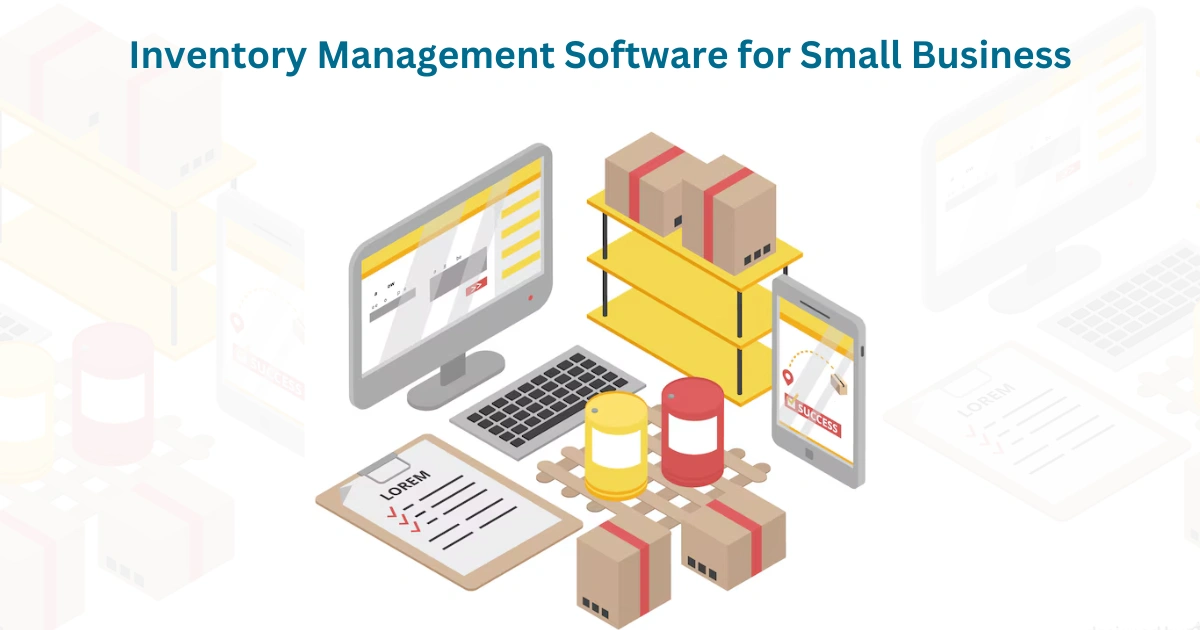
As small businesses continue to evolve, the need for adaptable and scalable tools becomes essential. Inventory software stands out by offering tailored solutions that grow with the business.
Gone are the days when one-size-fits-all solutions reigned supreme. Today’s inventory software provides a plethora of customization options, enabling businesses to mold the software according to their unique needs and operational nuances.
Unleashing the Power of Customization
Inventory software today allows businesses to configure features to align with their specific workflows. Whether it’s integrating with existing systems, setting unique parameters, or designing bespoke dashboards, customization empowers small businesses to create a seamless operational environment.
“Customization is the key to unlocking the full potential of inventory management, allowing businesses to innovate and adapt to market demands effortlessly.”
Here’s a glimpse into how these programs tailor themselves to small business needs:
- Adjustable reporting tools that highlight key performance indicators specific to business goals.
- Custom alerts and notifications that monitor inventory levels, helping to minimize overstock and shortages.
- Flexibility in user roles and permissions, ensuring that the right people have access to the right information.
Scaling Solutions for Growing Ventures
Scalability is integral as businesses expand. Inventory software offers solutions that not only handle increased data loads but also adapt processes to accommodate growth without compromising efficiency.
Consider a business that’s grown from a single store to multiple locations. Scalable inventory software can integrate all outlets, providing a unified system that manages stock across various points.
To illustrate the flexibility and growth potential, examine this table of customizable features and scalability options:
| Feature | Customization Option | Scalability Benefit |
|---|---|---|
| Integration | API-based connections with existing systems | Seamless expansion into new markets or platforms |
| User Interface | Custom dashboards and reporting layouts | Enhanced user experience across expanding teams |
| Data Management | Adjustable data fields to fit specific industry needs | Efficient handling of large data volumes as business grows |
With the ability to customize and scale, inventory software is not just a tool but a strategic partner in business growth.
Security and Data Protection in Inventory Software
In the digital era, securing your inventory data is not just an option—it’s an absolute necessity. As small businesses increasingly rely on digital solutions, the demand for robust inventory software that prioritizes security and data protection has become paramount.
Inventory software provides a fortress of security measures designed to safeguard sensitive data from unauthorized access, ensuring that only the right people have access to critical business information.
Advanced Security Measures Embedded in Inventory Software
Modern inventory software solutions come equipped with multi-layered security protocols that help protect against potential breaches. These systems often include features like two-factor authentication, encrypted data storage, and regular security updates that act as a shield against cyber threats.
Enhancing Security Measures for Small Businesses
While inventory software offers substantial security, small businesses can take additional steps to double down on data protection. Implementing strategies such as regular password changes, employee training on security best practices, and restricting access to sensitive data based on job roles can significantly enhance security measures.
- Implement multi-factor authentication.
- Conduct regular security audits.
- Educate staff on cyber hygiene practices.
- Limit data access according to job responsibilities.
Consequences of Data Breaches and Risk Mitigation
The implications of a data breach can be devastating, ranging from financial losses to irreversible reputational damage. Fortunately, inventory software mitigates these risks by providing real-time alerts for suspicious activities and maintaining secure backup solutions.
| Potential Threat | Software Mitigation |
|---|---|
| Unauthorized Access | Two-factor authentication, user access controls |
| Data Loss | Automated backups, cloud storage solutions |
| Cyber Attacks | Regular security updates, firewall protection |
“Integrating robust security measures into inventory management not only protects data but also strengthens the trust customers and clients place in your business.”
Future Trends in Inventory Software for Small Businesses
The realm of inventory software is on the brink of a revolution, promising a transformation in how small businesses manage their inventory. As technology advances at a lightning pace, small businesses are poised to benefit from cutting-edge innovations that streamline operations and enhance efficiency.
Emerging trends are not just buzzwords; they are tangible breakthroughs that are reshaping the landscape of inventory management. From artificial intelligence to blockchain, these innovations are set to redefine the small business ecosystem, offering unprecedented levels of control and insight.
Innovative Integrations and Smart Systems
In the coming years, smart systems and innovative integrations will become the cornerstone of efficient inventory management. As inventory software evolves, it will increasingly incorporate advanced algorithms designed to optimize stock levels, minimize wastage, and predict demand with uncanny accuracy. Such systems will seamlessly integrate with other business tools, creating a unified platform that ensures data consistency and operational synchronicity.
The Role of Artificial Intelligence in Inventory Management
AI is set to be the game-changer, equipping small businesses with predictive analytics capabilities that were once the preserve of large enterprises. By analyzing past data, AI systems can forecast future needs, helping businesses maintain optimal stock levels and avoid the pitfalls of overstocking or understocking. Moreover, AI-driven inventory software will offer personalized insights, enabling businesses to tailor their strategies and improve customer engagement.
Blockchain for Enhanced Transparency and Security
Blockchain technology is carving out a niche in inventory management by offering unparalleled transparency and security. With its decentralized ledger, blockchain ensures that all transactions are immutable and easily traceable, providing small businesses with a robust framework to prevent fraud and ensure compliance. The future of inventory software will likely see more robust blockchain integrations, safeguarding data and fortifying trust within the supply chain.
IoT and Real-Time Data Connectivity
The Internet of Things (IoT) is ushering in an era of real-time connectivity, allowing small businesses to monitor their inventory with unprecedented precision. Through IoT-enabled devices, inventory systems can provide live updates on stock levels, shipping statuses, and environmental conditions, ensuring businesses can respond swiftly to any changes. This real-time data connectivity is set to revolutionize inventory management, offering agility and responsiveness that were previously unattainable.
Conclusion
As we stand on the brink of a technological revolution, the impact of inventory software on small businesses cannot be overstated. It’s not just about keeping track of stock; it’s about creating opportunities and driving innovation. With features such as automation, real-time tracking, and robust security, inventory software is paving the way for a brighter, more efficient future. Embrace the change, and watch your business soar to new heights, leaving competitors in the dust. The future is digital, and the time to act is now!