Are you a small business owner feeling overwhelmed by the chaos of managing your inventory? You’re not alone, and the good news is, there’s a solution that not only saves time but also restores peace of mind. Welcome to the world of inventory management programs—your ticket to transforming disorder into harmony and ensuring every product is where it needs to be when it needs to be there.
Inventory management programs are not just tools; they’re your business’s new best friend. Imagine a system that effortlessly organizes your stock, anticipates your needs, and keeps your business running smoothly without the headaches. These programs are designed with you in mind, using cutting-edge technology to tackle the common challenges faced by small businesses. Let’s dive into the magic of automation and discover the secret to streamlined success.
Introduction to Inventory Management Programs
Welcome to the world of inventory management, where every small business owner dreams of seamless operations and stress-free stock control. Achieving this dream requires the right tools—inventory management programs that save your sanity.
Efficient inventory management is crucial for small businesses to remain competitive and profitable. Without it, businesses may face overstocking, stockouts, and lost sales, leading to dissatisfied customers and financial strain.
The Significance of Efficient Inventory Management
Small businesses often grapple with the complexities of managing inventory manually. This can result in errors, miscalculations, and missed opportunities. Inaccurate inventory records can lead to excess stock that ties up valuable capital or insufficient stock that fails to meet customer demand. These challenges underscore the importance of implementing a robust inventory management system that automates and streamlines operations.
Simplifying Processes with Automation
Automated inventory management programs are the solution to these common pain points. By leveraging technology, businesses can track inventory levels in real-time, forecast demand with greater accuracy, and automate ordering processes. This not only saves time and reduces human error but also ensures that stock levels are optimized to meet customer needs.
“The power of automation is in its ability to transform chaos into clarity.”
By embracing these programs, small businesses can transition from a reactive approach to a proactive strategy, focusing on growth instead of firefighting inventory issues.
Key Features of Effective Inventory Management Software
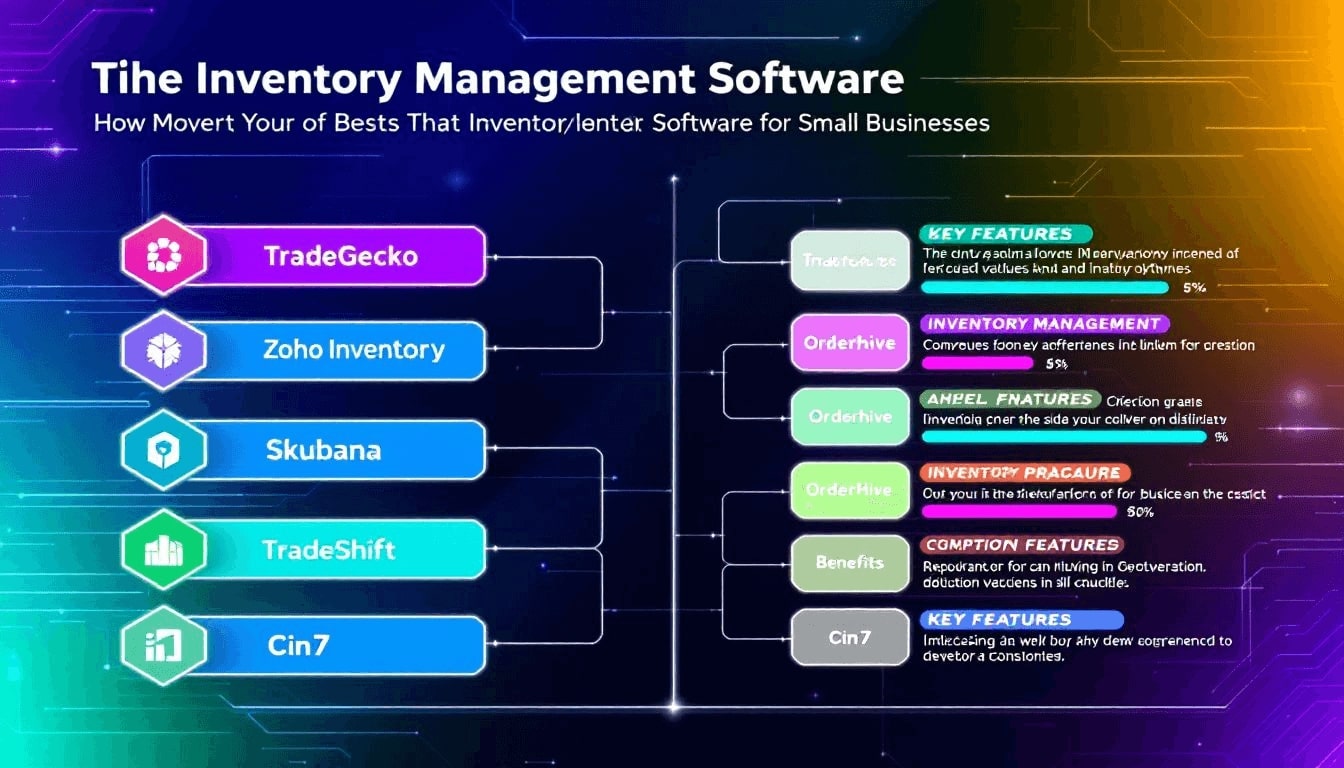
In the bustling world of small business, keeping tabs on your inventory can feel overwhelming. Say goodbye to chaos with the right inventory management software that acts as your trusty sidekick!
Choosing the perfect software is vital for maintaining order and efficiency. It should not only help you track your stock but also empower you with insights and streamline your operations.
Essential Features to Look For
When hunting for the ideal inventory management software, there are key features that will make managing your inventory a breeze. Here are some must-haves that every small business should consider:
- Real-time Tracking: Stay updated with your stock levels as they change.
- Barcode Scanning: Simplify the process of adding or removing stock with a quick scan.
- Automatic Reordering: Never run out of stock again with smart reorder alerts.
- Integration Capabilities: Easily connect with your accounting and e-commerce platforms.
- Reporting and Analytics: Gain valuable insights from detailed reports to make informed decisions.
Comparing Software Options Based on Features
Let’s break down some popular inventory management software options to see how they stack up against each other. This will help you make an informed choice tailored to your business needs.
| Software | Real-time Tracking | Barcode Scanning | Automatic Reordering | Integration Capabilities | Reporting and Analytics |
|---|---|---|---|---|---|
| InventoryWhiz | ✔ | ✔ | ✔ | ✔ | ✔ |
| StockMaster | ✔ | ✖ | ✔ | ✔ | ✔ |
| EasyStock | ✔ | ✔ | ✖ | ✔ | ✔ |
Benefits of Real-time Inventory Tracking
Real-time inventory tracking is a game-changer for small businesses, offering numerous advantages:
“Real-time tracking is the heartbeat of efficient inventory management.”
With real-time tracking, you are always in the loop, eliminating stock discrepancies, avoiding overstocking, and ensuring that orders are fulfilled promptly. This dynamic feature provides a clear and current view of your inventory, enhancing decision-making and boosting customer satisfaction through timely deliveries.
Cost-Effective Solutions for Small Businesses
In the fast-paced world of small business, every penny counts. Investing in inventory management software doesn’t have to break the bank. There are numerous cost-effective solutions that can streamline operations and significantly boost your return on investment.
Whether you are just starting out or looking to upgrade your existing system, finding budget-friendly inventory management solutions can be the key to maintaining a healthy bottom line. Let’s dive into some wallet-friendly options that small businesses should consider.
Budget-Friendly Inventory Management Programs
Here’s a curated list of inventory management software options organized by price range. These tools are designed to fit various budgets while still providing robust features.
- Free Options:
- Odoo: An open-source platform offering a free version that includes basic inventory management features.
- Zoho Inventory: Offers a free plan for businesses handling less than 20 online and offline orders per month.
- Under $50/month:
- Sortly: Starting at $39 per month, it’s perfect for visual inventory management, offering a user-friendly interface.
- inFlow Inventory: For $30 per month, you get advanced inventory tracking along with order and customer management.
- $50-$100/month:
- TradeGecko: Priced at $79/month, it offers comprehensive features for inventory and order management, particularly for eCommerce businesses.
- Unleashed: At $77 per month, this solution provides powerful inventory tracking along with accounting integration.
Return on Investment for Implementing Inventory Solutions
Implementing an inventory management system can seem like an added expense, but the potential return on investment is immense. When small businesses optimize their inventory processes, they can expect:
Significant reductions in inventory costs, improved cash flow, and enhanced customer satisfaction through timely order fulfillment.
Not only do these systems minimize the chances of overstock or stockouts, but they also provide valuable insights into sales trends and customer preferences. This data-driven approach allows small businesses to make informed decisions, boosting overall efficiency and profitability.
Integrating Inventory Management with Existing Business Systems
In the fast-paced world of small business, having a streamlined operation can be the difference between thriving and barely surviving. A powerful way to enhance efficiency is by seamlessly integrating inventory management systems with your existing business software.
By ensuring these systems work in harmony, you can reduce redundancy, improve data accuracy, and create a streamlined workflow that saves time and money.
Methods to Integrate Inventory Management Programs with Other Business Software
Integrating your inventory management system with other software requires selecting compatible programs and utilizing available APIs. Start by identifying the key systems that need integration, such as accounting software, sales platforms, and CRM systems. Look for inventory solutions offering a wide range of integration options, allowing you to connect effortlessly with these existing tools.
- Ensure all software is up-to-date to support new integration features.
- Use middleware or integration platforms to bridge the gap between different systems.
- Configure automatic data synchronization to maintain real-time inventory updates.
Step-by-Step Procedure for Seamless Integration
Embarking on the integration journey requires a strategic approach. Here’s a step-by-step guide to ensure a smooth transition:
- Assess Compatibility: Evaluate both your current systems and prospective inventory solutions for compatibility.
- Select an Integration Platform: Opt for a reliable platform that supports various applications, such as Zapier or Integromat.
- Map Out Processes: Identify how data should flow between systems and map out each process meticulously.
- Conduct Tests: Before full implementation, run tests to ensure the integration works as expected, tweaking any discrepancies.
- Train Staff: Provide comprehensive training to ensure every team member understands the new system capabilities and workflows.
Benefits of a Unified System
When your systems are in sync, the advantages are undeniable. A unified system ensures that all parts of your business work collaboratively, minimizing human error and enhancing productivity. It means real-time data is shared across departments, leading to faster decision-making and a more agile business.
“Integrating your inventory management with existing systems is not just a technical upgrade—it’s a strategic move towards operational excellence.”
Seamless integration leads to improved customer satisfaction, as stock levels are accurately reflected, avoiding over-promising and under-delivering. It also means cost savings through reduced manual work and a better view of your business’s health and trajectory.
Success Stories and Case Studies
Imagine transforming your small business operations with a simple software switch. Many businesses have done just that, achieving remarkable results through strategic inventory management programs.
These success stories illuminate the transformative power of modern inventory solutions, providing both inspiration and guidance for small business owners looking to streamline their operations and boost efficiency.
Real-World Transformations Through Inventory Management
Consider the story of Sally’s Boutique, a local fashion retailer that was drowning in paperwork and manual stock checks. By implementing a cloud-based inventory management system, Sally’s Boutique reduced time spent on inventory tasks by 50%. As Sally herself put it,
“The software was like hiring a whole new team member—without the salary!”
Another compelling case is Green Thumb Plants, a small nursery that struggled with overordering and stockouts. With the help of an advanced inventory management system, Green Thumb Plants now maintains an optimal level of stock, saving an estimated $10,000 annually in surplus costs.
Comparative Testimonials of Business Success
Below is a table summarizing key success metrics from small businesses that have embraced inventory management programs. These testimonials reflect the tangible benefits experienced by various enterprises:
| Business Name | Key Benefit | Testimonial Highlight |
|---|---|---|
| Sally’s Boutique | 50% Time Savings | “The software was like hiring a new team member.” |
| Green Thumb Plants | $10,000 Saved Annually | “We now maintain optimal stock levels effortlessly.” |
| Tech Haven | Improved Order Accuracy by 30% | “Customer satisfaction skyrocketed due to accurate order fulfillment.” |
| Baker’s Delight | Increased Profit Margins by 15% | “Finally, we understand where our profits are going.” |
These stories and data highlight the transformative potential of inventory management software. By enhancing efficiency and accuracy, these programs do not just save time—they save businesses.
Future Trends in Inventory Management for Small Businesses
As technology continues to advance at a rapid pace, inventory management systems are evolving to become smarter, more efficient, and increasingly tailored to the unique needs of small businesses. The future of inventory management holds promising trends that aim to revolutionize how small businesses operate.
With the integration of cutting-edge technology, small business owners can look forward to more streamlined processes, reduced manual work, and enhanced accuracy in managing their inventory. These emerging trends are not just about convenience; they are about empowering small businesses to compete and succeed in the dynamic marketplace.
The Rise of Artificial Intelligence and Machine Learning
Artificial Intelligence (AI) and Machine Learning (ML) are not just buzzwords—they are pivotal technologies transforming inventory management. AI-powered tools can predict demand with high accuracy, minimizing overstock and stockouts. Machine learning algorithms can analyze sales patterns and suggest optimal reorder points, ensuring that inventory levels align perfectly with consumer demand.
These technologies offer insights that were previously unimaginable, allowing small businesses to make data-driven decisions with confidence. By leveraging AI and ML, business owners can anticipate market trends and consumer behavior, giving them a competitive edge.
IoT-Driven Inventory Tracking
The Internet of Things (IoT) is set to revolutionize inventory tracking by connecting various devices and sensors across the supply chain. Smart sensors can provide real-time data on stock levels, movement, and storage conditions. This level of visibility enhances the accuracy of inventory records and reduces the incidence of human error.
Imagine receiving instant alerts when an item is low in stock or when environmental conditions threaten product integrity. With IoT, small businesses can maintain optimal inventory levels and ensure the quality of their products, all while freeing up valuable time and resources.
Cloud-Based Solutions for Greater Flexibility
Cloud computing offers unparalleled flexibility and scalability, making it a cornerstone of future inventory management systems. Cloud-based platforms allow small businesses to access their inventory data from anywhere, at any time, supporting remote work and on-the-go management.
These solutions are particularly beneficial for businesses with multiple locations or those looking to expand. With cloud technology, inventory updates are instant and synchronized across all channels, ensuring consistency and accuracy without the need for cumbersome physical infrastructure.
Blockchain for Enhanced Transparency and Security
Blockchain technology is poised to bring a new level of transparency and security to inventory management. Immutable ledgers provide a reliable record of all transactions and inventory movements, preventing fraud and discrepancies.
For small businesses, this means increased trust between suppliers and customers. Enhanced security protocols protect sensitive data, while transparent supply chains build consumer confidence. Blockchain can simplify compliance and audits, reducing administrative burdens and costs.
“Future trends in inventory management offer small businesses not just efficiency but a strategic advantage in navigating the complexities of modern commerce.”
Final Summary
In the fast-paced world of small business, staying ahead means embracing technology that works for you, not against you. Inventory management programs offer exactly that, turning chaotic stockrooms into models of efficiency. As you consider the options available, remember that the right program is more than an investment—it’s a sanity-saver that opens doors to growth, customer satisfaction, and a stress-free work environment. Isn’t it time your business got the support it deserves?