Imagine a world where your business operations flow seamlessly, like a well-conducted symphony. Every department, every process, and every order in perfect harmony. This is not just a dream—it’s a reality you can achieve with the right inventory and business software. In today’s fast-paced business landscape, staying ahead means embracing tools that not only keep you on track but propel you to new heights of efficiency and success.
Inventory and business software are the secret weapons modern businesses use to stay competitive and agile. With features that enhance accuracy, streamline processes, and provide real-time insights, these tools are more than just software; they’re your business’s best ally. Let’s dive into how these digital marvels can transform your operations and keep your business running smoother than ever before.
Introduction to Inventory and Business Software
In the fast-paced realm of modern business, inventory and business software stand as pillars of efficiency and precision. These tools are not mere accessories; they are the backbone that supports seamless operations and drives success.
At its core, inventory and business software streamline operations by integrating various facets of your business into one cohesive system. From tracking inventory levels and sales to managing orders and customer relationships, these systems offer a comprehensive solution that fosters informed decision-making and boosts productivity.
Key Features of Essential Inventory and Business Software
Inventory and business software come with a suite of robust features that are indispensable for smooth operations. These include real-time inventory tracking, which ensures you never run out of stock and helps prevent overstocking. Automated purchase orders and reorder alerts keep your supply chain flowing seamlessly, reducing downtime and optimizing resource allocation.
- Real-Time Tracking: Stay updated with accurate inventory counts and minimize errors.
- Automated Orders: Generate purchase orders automatically to maintain optimal stock levels.
- Comprehensive Reporting: Utilize detailed analytics for strategic planning and forecasting.
- Integration Capabilities: Seamlessly connect with other business systems such as accounting and CRM.
Industries That Thrive with Inventory and Business Software
While almost every industry can benefit from inventory and business software, certain sectors experience transformative impacts. Retail businesses, for instance, gain agility with real-time insights into customer preferences and stock levels, enhancing customer satisfaction and driving sales.
In manufacturing, these systems enable effective resource management and production scheduling, ensuring that operations are not only smooth but also cost-effective. Wholesalers, on the other hand, leverage these tools to manage large volumes of inventory and multiple suppliers efficiently.
“Inventory and business software are not just about managing stock—they’re about maximizing potential.”
Benefits of Using Inventory and Business Software
In the fast-paced world of business, efficiency and accuracy are more than just buzzwords—they’re necessities. Inventory and business software offer a comprehensive suite of tools that propel your business into a realm of streamlined operations and enhanced productivity.
With these sophisticated software solutions, businesses can overcome the chaos of manual inventory management and unleash their full potential.
Efficiency and Accuracy in Managing Stock and Orders
Imagine a world where inventory discrepancies are a thing of the past. Inventory and business software bring this dream to reality by automating stock management. These systems are designed to meticulously track inventory levels, ensuring you never run into the dreaded out-of-stock scenario or the costly overstocking mistake.
- Automated order processing reduces human error.
- Real-time stock updates optimize order fulfillment.
- Accurate inventory tracking decreases waste and saves cost.
Streamlining Operations Across Departments
Beyond inventory, business software acts as a cohesive force binding different departments together. By providing a unified platform, these tools ensure that every department, from sales to logistics, functions harmoniously.
- Centralized data access enhances interdepartmental collaboration.
- Automated workflows reduce redundant tasks and improve time management.
- Integrated communication channels foster a more responsive work environment.
Advantages of Real-Time Data and Reporting Capabilities
In the digital age, data is currency. Inventory and business software empower businesses with real-time data capabilities, transforming how decisions are made.
“With real-time insights, businesses can pivot and adapt to market demands with unparalleled agility.”
Imagine having the ability to generate comprehensive reports at the click of a button. This feature enables businesses to:
- Make informed decisions based on current metrics.
- Identify trends and predict future inventory needs.
- Enhance customer satisfaction through improved service delivery.
Types of Inventory and Business Software
In the rapidly evolving world of business, having the right inventory and business software is akin to having a well-oiled machine. These tools not only streamline operations but also empower businesses to make informed decisions with ease.
With a plethora of options available, understanding the landscape of inventory and business software is crucial for choosing the right fit for your enterprise needs.
Popular Inventory and Business Software Options
To aid in your selection process, here’s an in-depth look at some of the most popular and effective inventory and business software solutions available today:
| Software | Description | Key Features | Ideal For |
|---|---|---|---|
| QuickBooks | A versatile financial management tool known for its comprehensive accounting solutions. | Invoice management, expense tracking, payroll processing, advanced reporting. | Small to medium-sized businesses. |
| Zoho Inventory | Offers robust inventory management features tailored for growing businesses. | Order management, multi-channel selling, integrations with popular e-commerce platforms. | E-commerce businesses and retailers. |
| Odoo | An all-in-one open-source ERP software that covers a wide array of business needs. | Customizable modules, CRM, project management, timesheet tracking. | Businesses seeking a flexible and scalable solution. |
| NetSuite | A comprehensive cloud-based ERP solution with advanced inventory and financial management capabilities. | Supply chain management, financial planning, order fulfillment automation. | Large enterprises and industries. |
Open-Source vs Proprietary Software: A Comparative Analysis
Choosing between open-source and proprietary software requires a strategic assessment of your business’s needs, budget, and technical capabilities. Let’s delve into the main differences:
- Cost: Open-source software often has no licensing fees, making it attractive for budget-conscious businesses. Proprietary software, on the other hand, comes with licensing costs but tends to offer dedicated support and updates.
- Customization: Open-source solutions like Odoo provide extensive customization options, allowing businesses to tailor the software to their specific requirements. Proprietary solutions offer customization but are typically limited to the features provided by the vendor.
- Support and Updates: Proprietary software generally includes customer support and regular updates as part of the package. In contrast, open-source software relies on community support and contributions, which can be a double-edged sword depending on the community’s activity and expertise.
- Security: Both types of software come with security concerns, but open-source software’s code transparency can lead to quicker identification and patching of vulnerabilities. Proprietary software relies on the vendor’s diligence to address security issues promptly.
“The decision between open-source and proprietary software ultimately hinges on your business’s unique needs and strategic vision.”
Implementation and Integration
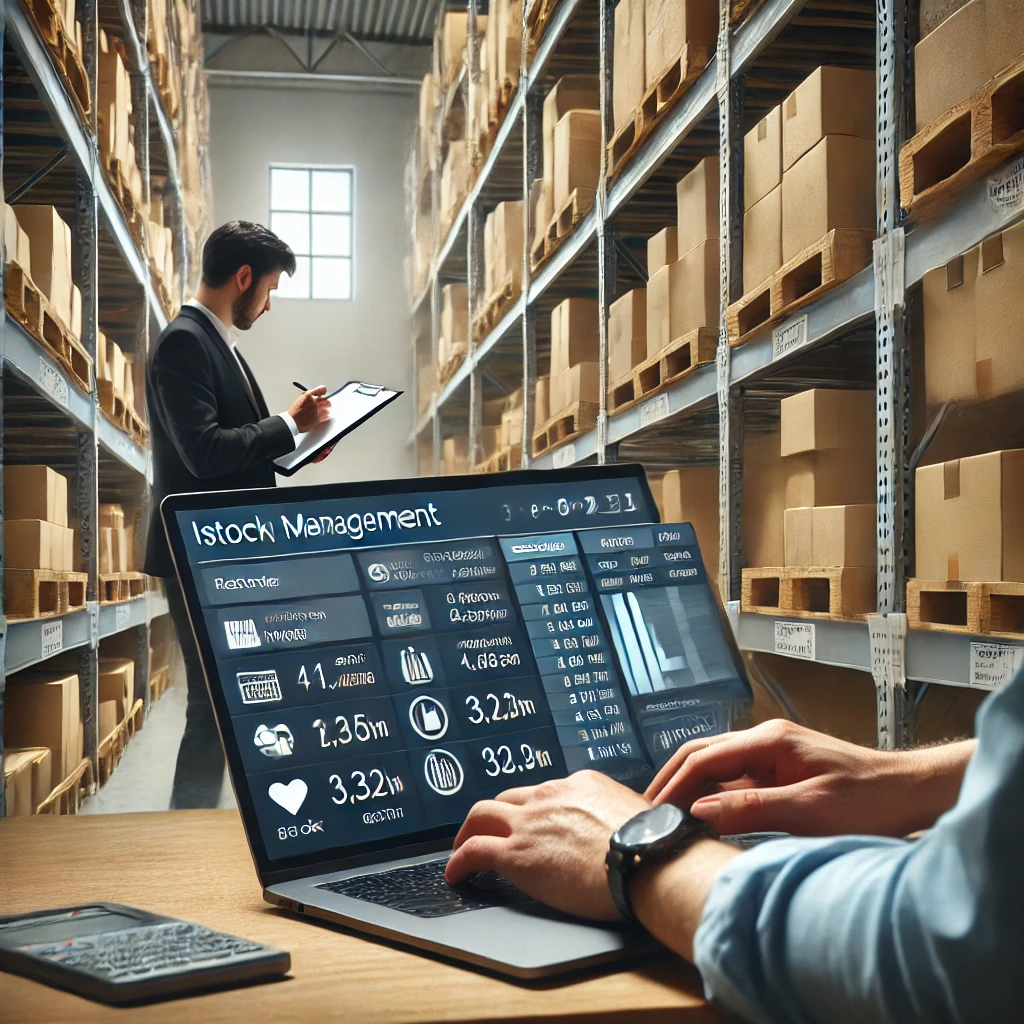
Transforming your business operations with inventory and business software may seem daunting, but with the right approach, it can streamline processes and boost efficiency. Let’s dive into how you can seamlessly integrate this technology into your existing systems.
Implementing new software involves a series of strategic steps designed to minimize disruption and maximize productivity. These steps ensure that your system is not only set up correctly but also aligns with your business goals.
Step-by-Step Implementation Process
To successfully implement inventory and business software, start by conducting a comprehensive needs assessment to identify the specific requirements of your business. This helps in selecting the most suitable software. Once you’ve chosen your software, plan your implementation by setting clear objectives and timelines. It’s crucial to involve all stakeholders and assign a dedicated project manager to oversee the process. Following this, data migration becomes a priority, ensuring all existing data is accurately transferred to the new system. Conduct extensive training sessions for your staff, allowing them to adapt and learn the new interface effectively. Finally, go live with the new system, carefully monitoring its performance and making necessary adjustments for optimization.
Integrating with Existing Business Systems
Integration is the key to unlocking the full potential of your new software. Whether it’s connecting to an ERP or CRM system, ensuring seamless data flow between platforms is essential for cohesive operations. Begin by mapping out your existing systems to understand how data is currently managed. Use APIs to facilitate communication between systems, ensuring data is synchronized across platforms. For businesses with complex needs, consider employing middleware solutions that can act as a bridge, translating and managing data between systems.
“Integration is often fraught with challenges such as data incompatibility and system downtime, but by employing robust testing protocols and leveraging expert consultancy, these issues can be mitigated effectively.”
By addressing potential challenges proactively, such as ensuring data compatibility and conducting thorough testing, your integration process can become a smooth and rewarding experience.
Case Studies and Success Stories
Imagine transforming your business operations from chaos to a symphony of efficiency. That’s what successful inventory and business software can do for your enterprise. Let’s explore real-world examples that have not only survived but thrived through strategic software implementation.
These success stories showcase tangible improvements in productivity, customer satisfaction, and financial performance. By examining these case studies, you’ll see the powerful impact of choosing the right digital tools for your business operations.
Retail Revolution: Streamlining Supply Chain Management
One leading retail chain faced significant challenges with stock discrepancies and replenishment delays. After integrating advanced inventory software, their operations transformed remarkably. Here’s how they achieved success:
- Integrated Real-Time Tracking: The software provided real-time tracking of inventory levels across multiple store locations, reducing stock discrepancies by 40%.
- Automated Reordering System: The chain implemented an automated reordering system, which improved stock availability by 30% and increased customer satisfaction ratings.
- Data-Driven Decisions: Access to comprehensive analytics enabled the company to make informed decisions, boosting profitability by 15% over a year.
Their journey illustrates the profound benefits of a strategic software upgrade.
Manufacturing Marvel: Enhancing Production Efficiency
A mid-sized manufacturing firm struggled with production delays and quality control issues. By adopting a business software suite tailored for manufacturing, they experienced transformative results:
- Improved Production Scheduling: An optimized scheduling tool decreased production delays by 25%, ensuring timely deliveries.
- Quality Control Integration: Integrated quality control features reduced defect rates by 50%, leading to higher customer satisfaction.
- Enhanced Resource Allocation: Detailed insights allowed for better resource management, cutting operational costs by 20%.
This case study highlights the critical role of customized solutions in overcoming industry-specific challenges.
Efficiency in E-commerce: Optimizing Order Fulfillment
An e-commerce platform faced hurdles in order fulfillment and customer service. Implementing comprehensive inventory software brought significant improvements:
- Streamlined Inventory Management: Centralized inventory tracking minimized overselling and improved fulfillment accuracy by 35%.
- Responsive Customer Service: Faster access to stock data enabled quicker response times, enhancing customer service efficiency by 40%.
- Increased Sales Performance: With more reliable inventory data, the business expanded its product range, increasing sales by 25% in six months.
This e-commerce success story demonstrates the positive effects of aligning software capabilities with business needs.
Future Trends in Inventory and Business Software
As we look towards the horizon of technological evolution, inventory and business software are undergoing transformative changes. Businesses need to stay ahead by leveraging these cutting-edge innovations to streamline their operations.
The next wave of advancements is reshaping how inventory is managed and how businesses operate, with emerging technologies playing a pivotal role in this transformation.
Integration of Artificial Intelligence and Machine Learning
Incorporating artificial intelligence (AI) and machine learning (ML) into inventory and business software is revolutionizing the landscape. These technologies bring unprecedented levels of automation and predictive analytics, enabling businesses to anticipate demand, optimize stock levels, and reduce waste. AI algorithms can analyze vast amounts of sales data to identify trends and patterns that humans might overlook, offering a strategic advantage in decision-making processes.
The Role of Cloud Computing in Inventory Systems
Cloud computing is the backbone of modern inventory systems, providing businesses with real-time access to data anytime, anywhere. With cloud-based solutions, companies can seamlessly integrate their operations across multiple locations, enhancing collaboration and visibility. The flexibility and scalability offered by cloud computing mean that businesses can quickly adapt to changes in demand without the need for significant investment in IT infrastructure. Furthermore, data security and disaster recovery are significantly improved, ensuring business continuity even in the face of unforeseen events.
“The future belongs to those who prepare for it today.” This sentiment rings true as businesses embrace these technological advances to remain competitive and agile in a rapidly changing world.
Last Word
As we venture into the future, the potential for inventory and business software is boundless. With advancements in AI, machine learning, and cloud computing, these tools are poised to revolutionize how businesses operate. So, why wait? Embrace these innovations today and witness your business flourish like never before. Remember, in the world of business, it’s not just about keeping up; it’s about staying ahead. Let inventory and business software be your guiding star on this journey to success. Your business deserves it.