In the bustling world of entrepreneurship, small businesses are the unsung heroes of innovation and community support. However, amidst the daily hustle, managing inventory often becomes a daunting task that can make or break a business. Imagine a world where your inventory is not just managed but mastered, paving the way for smoother operations and happier customers.
Welcome to the realm of simple inventory systems, where complexity is stripped away, leaving you with a powerful tool that fits seamlessly into your business framework. No longer will you grapple with the chaos of unsorted stock or missed sales opportunities. Instead, embrace a solution designed to elevate your business to new heights with creativity and persuasion.
Introduction to Simple Inventory Systems for Small Businesses
In the bustling world of small businesses, staying organized is key to thriving. A simple inventory system can be a game-changer, providing the structure needed to manage stock and ensure smooth operations.
Without an efficient inventory system, small businesses often find themselves grappling with challenges like overstocking, stockouts, and inefficient processes. This not only hampers growth but also eats into profits. A simple inventory system acts as a guardian, streamlining operations and promoting efficiency.
The Importance of Having an Inventory System
For small businesses, every penny counts, and every product matters. An inventory system offers a clear view of stock levels, helping owners make informed decisions. This reduces waste and ensures that popular items are always available, boosting customer satisfaction and sales.
Challenges Faced by Small Businesses Without an Inventory System
Without a structured system, chaos can reign. Businesses often face issues such as:
- Overstocking due to inaccurate sales forecasts.
- Stockouts that lead to lost sales and dissatisfied customers.
- Time-consuming manual stock checks that devour precious resources.
These challenges highlight the need for an organized approach to inventory management.
Streamlining Operations with a Simple Inventory System
Imagine a world where stock management is seamless. A simple inventory system transforms this vision into reality by:
- Providing real-time updates on stock levels.
- Automating reordering processes to maintain optimal inventory levels.
- Enabling easy tracking of product performance and trends.
By adopting such a system, businesses can focus more on growth and innovation, instead of getting bogged down by logistical hurdles.
Features of an Effective Simple Inventory System
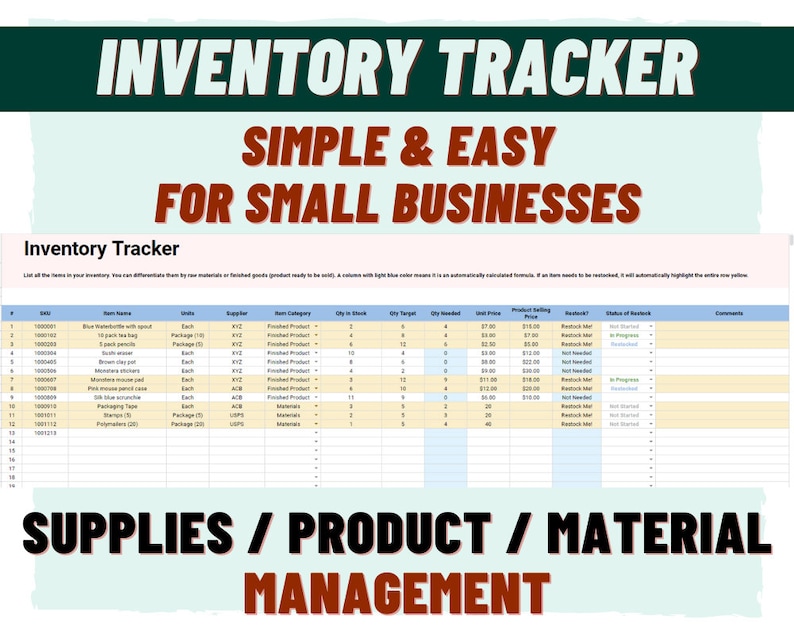
Unlocking the potential of a small business starts with mastering the basics, and an effective inventory system is the cornerstone. Embrace simplicity and efficiency, and watch your business thrive!
Whether you manage a cozy coffee shop or a bustling boutique, your inventory system should work for you, not the other way around. Let’s delve into the must-have features that can transform your operations.
Streamlined Inventory Tracking
Keeping tabs on your stock levels is crucial. A streamlined inventory tracking feature allows you to monitor product quantities effortlessly, ensuring you never overstock or run out of essential items. This not only helps maintain customer satisfaction but also optimizes storage space and reduces waste.
Automatic Reordering
Say goodbye to manual stock checks and hello to automatic reordering. This feature alerts you when stock levels fall below a preset threshold, prompting you to restock before it’s too late. It saves time, reduces the risk of human error, and ensures you always have what your customers need.
Comprehensive Reporting
Understanding your inventory trends is key to making informed decisions. With comprehensive reporting, you gain insights into sales patterns, identify slow-moving items, and forecast future needs. This empowers you to strategize effectively and boost your profitability.
Let’s compare the advantages of manual and digital inventory systems to see how they stack up:
| Feature | Manual | Digital | Benefits |
|---|---|---|---|
| Inventory Tracking | Paper logs, spreadsheets | Real-time updates, automation | Enhanced accuracy, time-saving |
| Reordering Process | Manual calculations, reminders | Automatic alerts, smart suggestions | Reduced errors, efficiency |
| Reporting | Manual analysis, limited detail | Detailed analytics, instant access | Better decision-making, trend analysis |
“An effective inventory system is not just a tool; it’s a strategic partner in your business’s success.”
Steps to Implementing a Simple Inventory System
Implementing a simple inventory system can transform the way your small business operates, making it more efficient and effective. Follow these detailed steps to ensure a smooth setup that empowers your team and enhances operational success.
Getting your inventory system up and running requires careful planning and execution. Below, we provide a comprehensive guide to help you establish a system that fits your business needs while ensuring your staff is well-prepared to handle the change with ease.
Create a Comprehensive Inventory Setup Plan
Before diving into the technical aspects, it’s vital to artikel a clear plan. This plan should highlight your business’s inventory objectives and include an analysis of existing inventory processes. By understanding your current workflow, you can identify areas for improvement and determine the features that are most crucial in your new system.
- Review current inventory methods and challenges.
- Define your business goals concerning inventory management.
- Research and select inventory software that meets your needs.
- Set a realistic timeline for implementation.
Organize an Implementation Checklist
To keep track of your progress and ensure nothing is overlooked, a detailed checklist is invaluable. This checklist will guide you through each critical phase of the implementation process, ensuring a structured and efficient setup.
- Assess inventory needs and categorize items appropriately.
- Gather and organize inventory data for migration.
- Install and configure the chosen inventory software.
- Conduct initial testing to check system functionality.
- Develop inventory management protocols and SOPs.
Train Staff for Effective System Utilization
Even the best systems are ineffective without skilled users. Training your staff is essential to maximize the system’s potential and minimize disruptions. Here are strategic steps to ensure your team is ready to adopt the new system confidently:
- Develop a training manual detailing system operations and best practices.
- Conduct hands-on training workshops with key team members.
- Appoint system champions who can assist others and provide ongoing support.
- Schedule regular feedback sessions to address any concerns or suggestions.
“A well-implemented inventory system is not just about tracking products; it’s about empowering your team to drive business growth through insight and efficiency.”
Technology Solutions for Simple Inventory Management
In today’s fast-paced business world, technology plays a crucial role in streamlining operations, and inventory management is no exception. Small businesses can greatly benefit from adopting tech solutions that simplify and enhance inventory processes.
By leveraging modern technology, small business owners can maintain accurate inventory records without the hassle of manual tracking. This not only saves time but also reduces errors and improves decision-making.
Software Solutions vs. Traditional Methods
When it comes to inventory management, small businesses often face the choice between using software solutions and traditional methods. Each approach has its advantages and disadvantages, and understanding these can help business owners make informed decisions.
| Software Solutions | Traditional Methods |
|---|---|
|
|
While software solutions offer efficiency and accuracy, traditional methods might appeal to those who prefer simplicity and minimal initial costs.
Sample Layout for an Inventory Management Dashboard
Designing an effective inventory management dashboard is key to ensuring that small business owners can easily access important information at a glance. Below is a sample layout that highlights essential elements for an inventory management system.
- Product List
- Stock Levels
- Restock Alerts
- Sales Statistics
- Supplier Information
- Order Tracking
This layout ensures that all critical data is available in one place, enabling quick decision-making and proactive management of inventory levels.
“A well-designed dashboard can transform inventory management from a daily chore into a strategic advantage.”
Best Practices for Maintaining an Inventory System
Maintaining an efficient inventory system is crucial for the success of any small business. With the right practices in place, you can ensure that your inventory remains accurate, up-to-date, and optimized for your business needs.
By focusing on regular updates, strategic auditing, and leveraging analytics, your inventory management can become a powerful tool for growth and efficiency.
Regularly Update and Maintain Inventory Records
Consistency is key when it comes to keeping your inventory records up-to-date. Regular updates prevent discrepancies and ensure accuracy in stock levels. This can be achieved by implementing a systemized schedule for inventory checks and updates.
- Conduct daily or weekly stock checks depending on the volume of transactions.
- Train staff to immediately record any changes in inventory levels due to sales, returns, or damages.
- Utilize inventory management software that automatically updates records in real-time.
Strategies for Auditing Inventory and Preventing Discrepancies
Inventory audits are essential for identifying discrepancies and ensuring that everything is accounted for. Establishing a regular auditing process can help prevent losses and maintain trust in your inventory data.
- Schedule periodic physical inventory counts to verify actual stock against recorded amounts.
- Implement a cycle counting system to regularly audit specific segments of your inventory.
- Use barcode or RFID technology to increase accuracy during counts.
Utilize Reports and Analytics to Optimize Inventory Levels
Data-driven insights can provide a competitive edge in inventory management. By analyzing reports and analytics, businesses can make informed decisions to optimize inventory levels, minimize costs, and enhance customer satisfaction.
Utilizing inventory reports can offer valuable
insights into sales trends, stock turnover rates, and demand forecasting.
| Report Type | Purpose |
|---|---|
| Sales Trend Report | Identifies which products are in high demand. |
| Stock Turnover Report | Helps in understanding how quickly products are sold and replaced. |
| Inventory Forecast Report | Predicts future stock requirements based on historical data. |
Case Studies of Simple Inventory Systems in Action
Embark on a journey through the transformative power of simple inventory systems with real-world examples. These case studies showcase how small businesses harnessed the potential of efficient inventory management to fuel growth and innovation.
Explore how these determined enterprises redefined their operations and witnessed remarkable improvements. From overcoming initial challenges to celebrating substantial gains, discover the measurable impacts of adopting a well-structured inventory system.
Transcending Challenges to Achieve Efficiency
One thriving example is Lisa’s Boutique, a quaint fashion store that once grappled with inconsistent inventory levels and frequent stockouts. Implementing a straightforward digital inventory system, Lisa’s Boutique streamlined its operations, maintaining accurate stock levels and minimizing losses. This transformation allowed Lisa to focus more on customer experience, boosting customer satisfaction significantly.
Similarly, Gourmet To Go, a small catering business, faced difficulties in tracking perishable goods, which often led to wastage and financial losses. The introduction of a simple inventory tracking app revolutionized their approach, enabling real-time updates on stock status and reducing food waste by 30%. As a result, Gourmet To Go witnessed a noticeable increase in profitability, attributing it to their efficient inventory practice.
These stories are not isolated, as many small businesses across various sectors experience similar success when they embrace effective inventory systems.
Comparison of Small Business Inventory System Implementations
Consider the outcomes of these businesses as they embraced tailored inventory solutions:
| Business | System Used | Challenges | Outcomes |
|---|---|---|---|
| Lisa’s Boutique | Digital Inventory System | Inconsistent Stock Levels | Enhanced Stock Accuracy, Improved Customer Satisfaction |
| Gourmet To Go | Inventory Tracking App | Perishable Goods Wastage | 30% Reduction in Waste, Increased Profit |
| Jane’s Craft Supplies | Spreadsheet Tracking | Manual Errors | Reduced Errors by 40%, Streamlined Operations |
These case studies exemplify the profound impact a simple inventory system can have on a small business’s operational efficiency and financial health. They demonstrate the potential for overcoming logistical challenges and achieving substantial improvements in productivity and profitability.
Conclusion
In conclusion, a simple inventory system is not just a tool but a transformative ally in your business journey. By adopting an effective system, you open doors to improved efficiency, reduced costs, and increased profits. As you embark on this path, remember that the right inventory system can turn potential hurdles into stepping stones toward your success. Now is the time to take that leap and watch your business flourish like never before.